
Customer Story
How Smile Conroe Increased Revenue and Got Visibility on Every Dollar by Fixing EOB Posting
Part of Texas Dental Group
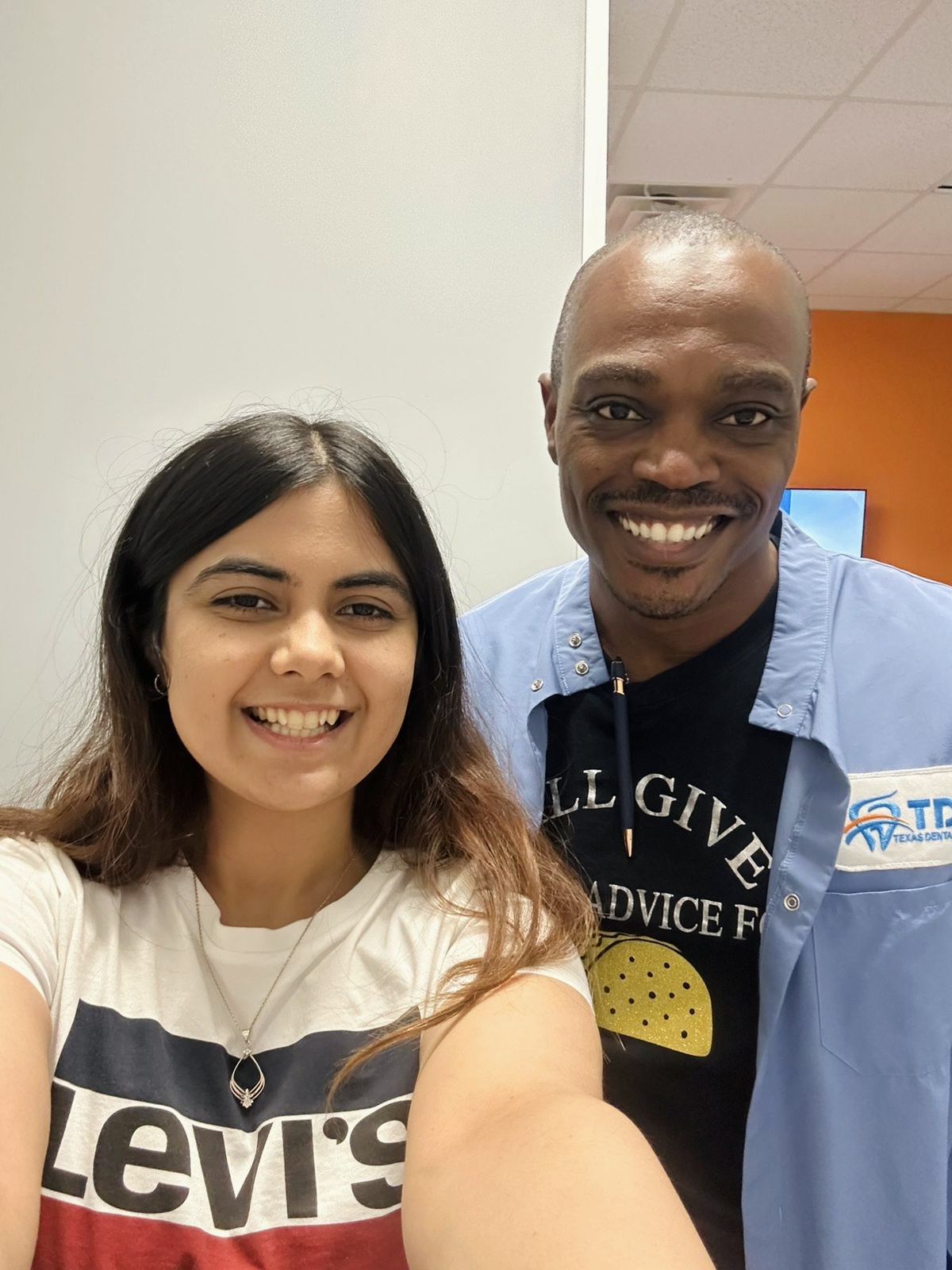
"“We were doing the clinical work. The patients were happy. But we had little idea of what's happening with our revenue numbers. Lavender Identified that inconsistent payment posting was leading to the mess. They started doing the payment posting daily and handled the entire EFT switch for us. We did not have to do anything. And just that one change alone paid for the whole contract. Everything after that was upside"
Dr. Kenneth Osamor
Founder, Texas Dental Group
Amazing Dentistry. No Visibility on the Money Behind It.
Smile Conroe is a general and cosmetic dental practice in Conroe, Texas, part of the Texas Dental Group. Dr. Kenneth Osamor and Dr. ThuVan Tran serve patients across restorative, implant, cosmetic, and preventive care.
The practice has strong clinical outcomes, over 396 Google reviews, and steady patient volume. The clinical side was running well. Patients were being seen, treated, and walking out satisfied.
But the revenue cycle behind that clinical work had quietly fallen behind.
The practice has strong clinical outcomes, over 396 Google reviews, and steady patient volume. The clinical side was running well. Patients were being seen, treated, and walking out satisfied.
But the revenue cycle behind that clinical work had quietly fallen behind.
Number of locations
4

Number of patients
15k

4.5 star reviews
500+
Here's what was actually happening
Payment posting was happening once a week. EOBs and ERAs would come in from insurance companies, and they would sit.
Sometimes for days, sometimes longer. The payments were arriving, but they were not being recorded in the practice management system with any regularity.
That gap between receiving payments and actually posting them created a chain of problems that grew over time.
Without daily posting, the practice could not see how fast each payer was actually paying. There was no way to track speed-to-collect by insurance company. Collection rates were a guess. Denials were not being caught and worked in a timely way, because the data to identify them was not in the system yet.
Because posting was inaccurate and delayed, patient responsibility was not being calculated correctly. Patients would come in for a follow-up visit and find out they owed money from a previous appointment that had never been communicated to them. Surprise bills erode trust, and they were happening regularly.
Reconciliation was unreliable. The front office could not tell you with confidence what had been collected versus what was outstanding. F inancial reporting was based on incomplete data, which made it difficult to plan, budget, or identify problems early.
Between January 2024 and January 2026, $84,299 in claims had never been submitted. Not denied. Not disputed. Simply never billed. These were services that had been performed, documented, and then sat in a queue that nobody was working through. On top of that, 42% of patients with secondary insurance coverage were not having their secondary claims filed at all. That revenue was being left on the table every single month.The practice was also receiving insurance reimbursements via credit card, paying processing fees on every transaction.
Over a year, that added up to more than $5,000 in unnecessary cost. EFT enrollment with major payers had never been set up. None of this was because the team did not care. The clinical side of the practice was demanding their full attention. Billing and posting fell behind because there was not enough bandwidth to keep up with it consistently.
Sometimes for days, sometimes longer. The payments were arriving, but they were not being recorded in the practice management system with any regularity.
That gap between receiving payments and actually posting them created a chain of problems that grew over time.
Without daily posting, the practice could not see how fast each payer was actually paying. There was no way to track speed-to-collect by insurance company. Collection rates were a guess. Denials were not being caught and worked in a timely way, because the data to identify them was not in the system yet.
Because posting was inaccurate and delayed, patient responsibility was not being calculated correctly. Patients would come in for a follow-up visit and find out they owed money from a previous appointment that had never been communicated to them. Surprise bills erode trust, and they were happening regularly.
Reconciliation was unreliable. The front office could not tell you with confidence what had been collected versus what was outstanding. F inancial reporting was based on incomplete data, which made it difficult to plan, budget, or identify problems early.
Between January 2024 and January 2026, $84,299 in claims had never been submitted. Not denied. Not disputed. Simply never billed. These were services that had been performed, documented, and then sat in a queue that nobody was working through. On top of that, 42% of patients with secondary insurance coverage were not having their secondary claims filed at all. That revenue was being left on the table every single month.The practice was also receiving insurance reimbursements via credit card, paying processing fees on every transaction.
Over a year, that added up to more than $5,000 in unnecessary cost. EFT enrollment with major payers had never been set up. None of this was because the team did not care. The clinical side of the practice was demanding their full attention. Billing and posting fell behind because there was not enough bandwidth to keep up with it consistently.
Paid for Everything Before a Single EOB Was Touched.
Lavender identified the quickest win first: payment method. The practice was paying credit card processing fees on every insurance reimbursement.
Lavender handled the entire switch. Cancelled the card arrangements, enrolled the practice in EFT with every major payer, and managed the full transition.
The practice did not have to coordinate a single call or fill out a single form.That $5,000 in annual savings covered the cost of Lavender.
The contract paid for itself before any EOB had been posted, before any claim had been submitted. From that point forward, everything Lavender did was pure upside.
Lavender handled the entire switch. Cancelled the card arrangements, enrolled the practice in EFT with every major payer, and managed the full transition.
The practice did not have to coordinate a single call or fill out a single form.That $5,000 in annual savings covered the cost of Lavender.
The contract paid for itself before any EOB had been posted, before any claim had been submitted. From that point forward, everything Lavender did was pure upside.
🦷 Would totally recommend Lavender to take billing off your plate.
The transparency and visbility is nothing I have ever seen before. - Dr. Kenneth Osamor, Texas Dental Group
What we actually did
🔍From Weekly Posting to Daily Visibility
Lavender moved payment posting to a daily, same-day operation. Every EOB and ERA was posted accurately, reconciled against deposits, and reflected in the PMS within 24 hours .For the first time, the practice could see its own numbers. Speed-to-collect by payer became visible. Denial patterns surfaced. Patient responsibility was calculated accurately at the time of posting, ending the surprise bills. Reconciliation became real. Daily deposits matched daily postings.
🦷 Lavender closed the secondary insurance gap
Lavender closed the secondary insurance gap. Of all patients with secondary coverage, 42% had their claims sitting unfiled. Lavender built secondary filing into the daily workflow. Every primary EOB with a remaining balance and secondary coverage triggered an immediate submission.The gap closed.
⚡ Same-day claim submission
The $84,299 in unsubmitted claims was identified, organized by payer and date of service, and systematically submitted. Lavender surfaced the entire backlog so the practice could act on it.
What Changes When You Can See Every Dollar
✓ $84,299 in unsubmitted claims identified
✓ 42% secondary filing gap closed
✓ $5,000+ saved annually via EFT (handled entirely by Lavender)
✓ Dr. Osamor got full visbility with denials, speed-to-collect, and collection rates
✓ Surprise patient bills eliminated
Lavender moved payment posting to a daily, same-day operation. Every EOB and ERA was posted accurately, reconciled against deposits, and reflected in the PMS within 24 hours .For the first time, the practice could see its own numbers. Speed-to-collect by payer became visible. Denial patterns surfaced. Patient responsibility was calculated accurately at the time of posting, ending the surprise bills. Reconciliation became real. Daily deposits matched daily postings.
🦷 Lavender closed the secondary insurance gap
Lavender closed the secondary insurance gap. Of all patients with secondary coverage, 42% had their claims sitting unfiled. Lavender built secondary filing into the daily workflow. Every primary EOB with a remaining balance and secondary coverage triggered an immediate submission.The gap closed.
⚡ Same-day claim submission
The $84,299 in unsubmitted claims was identified, organized by payer and date of service, and systematically submitted. Lavender surfaced the entire backlog so the practice could act on it.
What Changes When You Can See Every Dollar
✓ $84,299 in unsubmitted claims identified
✓ 42% secondary filing gap closed
✓ $5,000+ saved annually via EFT (handled entirely by Lavender)
✓ Dr. Osamor got full visbility with denials, speed-to-collect, and collection rates
✓ Surprise patient bills eliminated